How to Reconstitute Research Peptides: A Lab Guide
Learn how to reconstitute peptides correctly for laboratory research: solvent choice, slow addition, concentration math and safe storage of your samples.
Learning how to reconstitute peptides is a core benchtop skill for any laboratory working with lyophilised reference materials. Freeze-dried peptides arrive as a fine powder that must be dissolved into a liquid before they can be measured, aliquoted or used in in-vitro assays. Done carefully, reconstitution preserves peptide integrity; done roughly, it can degrade the sample.
This guide walks through the correct technique to reconstitute peptides for laboratory research, including solvent choice, the concentration math and how to store the finished solution.
What does reconstituting a peptide mean?
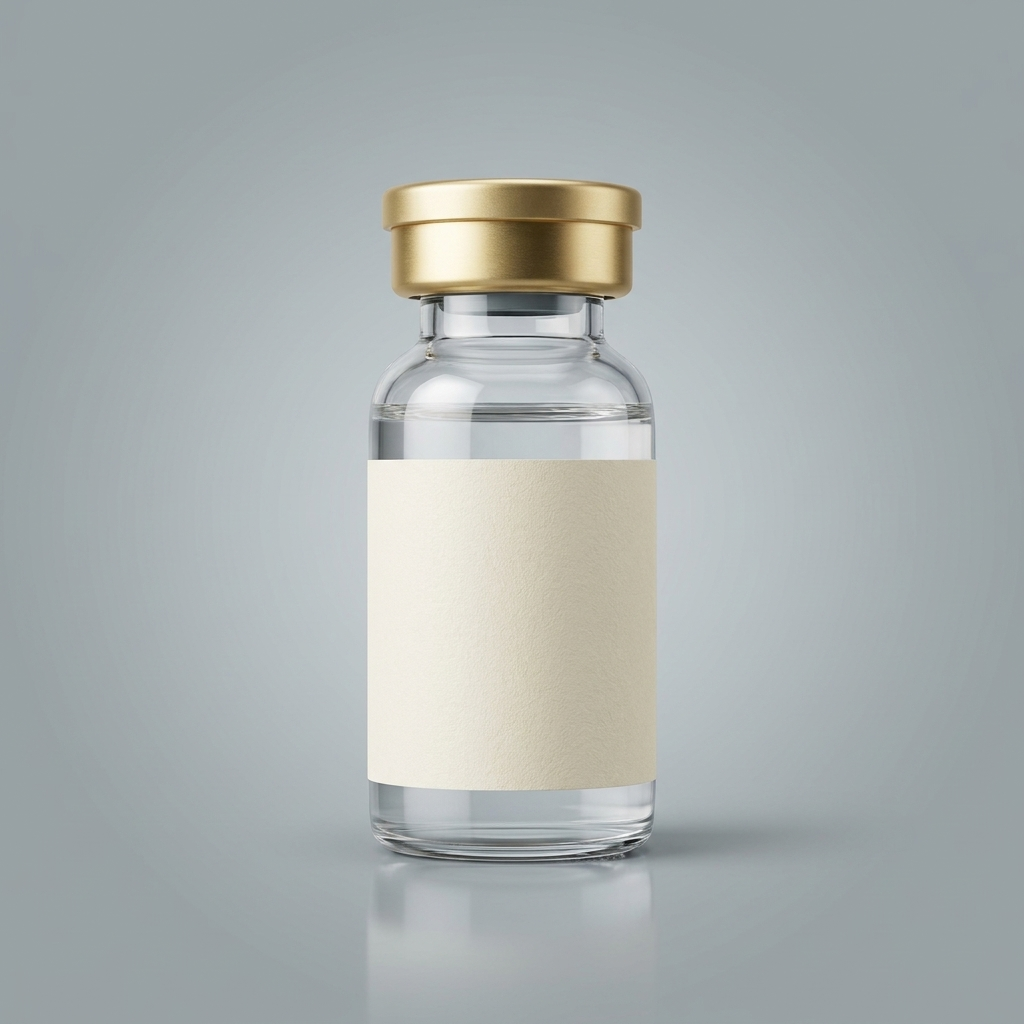
Reconstitution simply means returning a lyophilised (freeze-dried) peptide to solution by adding a measured volume of a suitable solvent. The powder you receive is the pure peptide with any bulking agents; adding solvent creates a known concentration you can work with reproducibly at the bench.
What you need
- Bacteriostatic water as the default solvent, unless the Certificate of Analysis (COA) specifies another diluent.
- A sterile syringe and needle, or a calibrated pipette.
- Alcohol wipes for the vial stopper.
- Labels and a marker for lot, concentration and date.
- The third-party lab results or COA for the specific lot.
Step-by-step reconstitution
- Let the sealed vial reach room temperature and wipe the stopper with an alcohol swab.
- Draw up your calculated volume of bacteriostatic water.
- Add the solvent slowly, letting it run down the inside wall of the vial rather than jetting directly onto the powder.
- Do not shake. Swirl gently or let the vial stand until the peptide dissolves fully into a clear solution.
- Label the vial with concentration, lot and date, then refrigerate.
Calculating concentration
Concentration is straightforward: concentration = mg of peptide ÷ mL of solvent. For example, 5 mg of peptide in 2 mL of bacteriostatic water gives 2.5 mg/mL. To avoid arithmetic slips when you reconstitute peptides, use our peptide reconstitution calculator, which converts vial size and solvent volume into a per-unit concentration for your records. Browse compatible research peptides to match a COA to your lot.
Storing reconstituted peptides
- Refrigerate the solution at 2–8 °C.
- Protect the vial from light.
- Use within the short window indicated on the COA, as peptides in solution are less stable than the dry powder.
- Aliquot if you expect many withdrawals, to limit contamination and handling.
Common mistakes to avoid
- Shaking the vial, which can shear and denature the peptide.
- Jetting solvent straight onto the powder instead of down the wall.
- Using the wrong diluent instead of the COA-specified solvent.
- Leaving reconstituted solution at room temperature or exposed to light.
- Failing to label concentration and date.
Key takeaways
- Reconstitute peptides with bacteriostatic water unless the COA states otherwise.
- Add solvent slowly down the wall and swirl; never shake.
- Concentration = mg ÷ mL; verify with the calculator.
- Refrigerate, protect from light and use within the stated window.
Research use disclaimer
All materials and procedures described here are intended for in-vitro laboratory research use only. They are not for human or veterinary use, are not a medicine, and must not be consumed or administered to any living organism. Handling is the responsibility of qualified research personnel.
About this topic
Compiled by
Scientific basis
Based on peer-reviewed scientific literature and research data.
Last reviewed
21 August 2026