BPC-157: A Research Overview of the Repair Peptide
A research-focused overview of BPC-157, the gastric pentadecapeptide studied in preclinical models for angiogenesis and tissue-repair pathways.
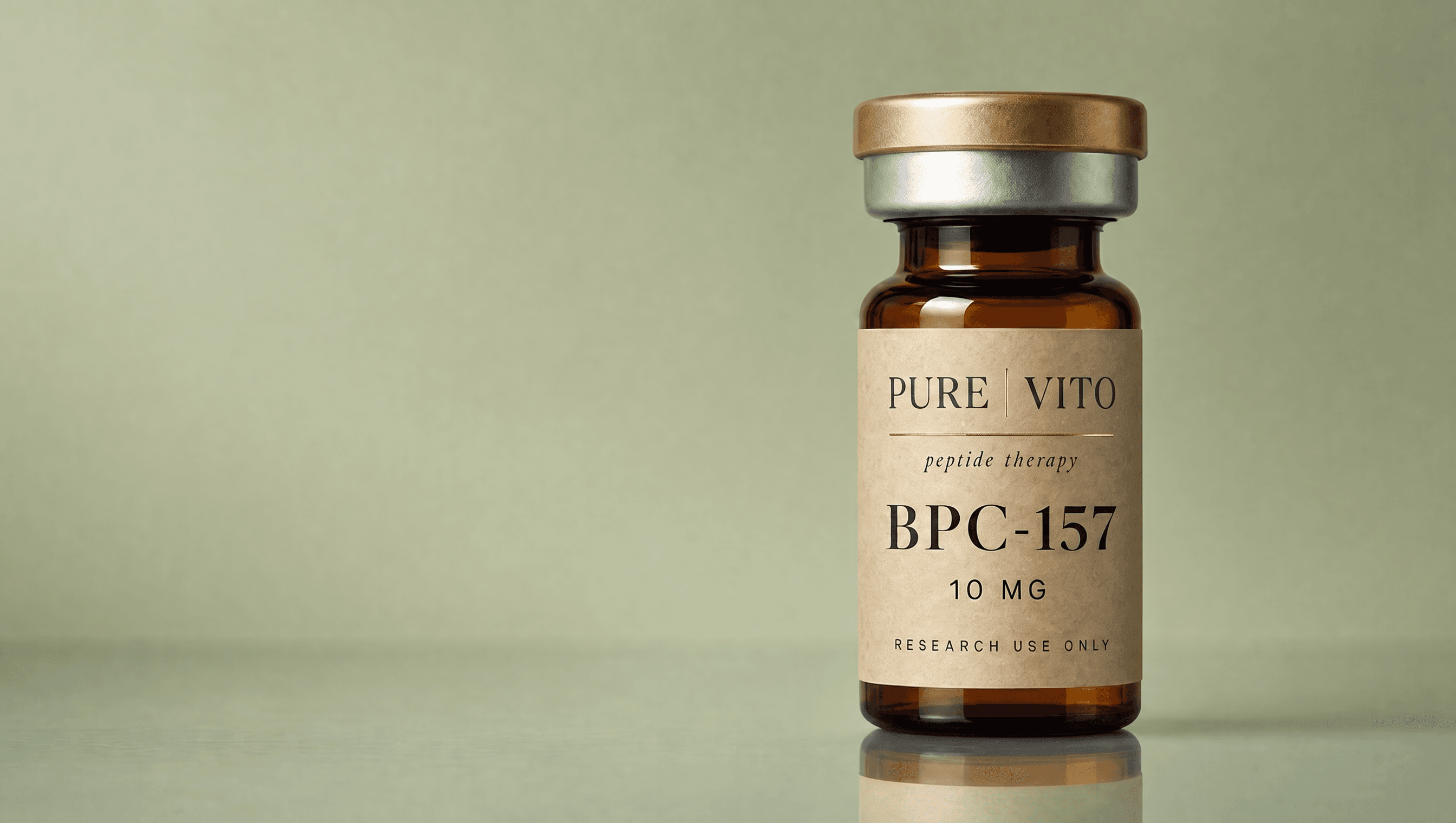
BPC-157 is a synthetic pentadecapeptide that has drawn considerable attention in the preclinical research community. Derived from a partial sequence identified in human gastric juice, BPC-157 is studied for its reported influence on angiogenesis and tissue-repair pathways in laboratory models.
This overview summarises what published research describes about BPC-157 while keeping a strict laboratory framing. Everything below refers to findings observed in vitro or in animal models, not to any human use.
What is BPC-157?
BPC-157 is a chain of fifteen amino acids, hence the term pentadecapeptide. The "BPC" abbreviation refers to "body protection compound", the name given to a gastric protein fragment from which the sequence was originally characterised. Because it is a stable partial sequence, researchers frequently use it as a model compound when investigating cytoprotective mechanisms.
Mechanism of action in preclinical study
In animal models, investigators have reported that BPC-157 appears to interact with pathways governing new blood-vessel formation. Studies frequently discuss its association with the VEGF-VEGFR2 signalling axis and nitric-oxide systems, both of which are relevant to angiogenesis.
Angiogenesis and cell migration
Preclinical work suggests BPC-157 may modulate the migration of fibroblasts and endothelial cells in vitro, processes central to how tissue reorganises during repair. Researchers describe these as observations in controlled experimental settings rather than confirmed clinical effects.
Research context: what studies show
The published literature on BPC-157 is largely composed of rodent studies and in-vitro assays. Reported research contexts include tendon and ligament repair models, gastrointestinal integrity models, and studies of soft-tissue recovery. Across these, BPC-157 is discussed as a subject of investigation, and outcomes vary by model, dose and methodology. No regulatory body has approved it as a therapeutic agent.
Handling and storage
Like most research peptides, lyophilised BPC-157 is typically stored cold and protected from light and moisture. Common laboratory practice keeps the sealed vial at freezer temperatures for long-term storage, with reconstituted solutions kept refrigerated and used within a short window. When preparing solutions, a peptide reconstitution calculator helps standardise concentration across experiments.
- Store lyophilised powder frozen and sealed.
- Reconstitute with an appropriate sterile diluent for laboratory use.
- Avoid repeated freeze-thaw cycles of solutions.
Purity and quality
Reproducible research depends on well-characterised material. Purity is commonly assessed by HPLC and identity confirmed by mass spectrometry. Reviewing third-party lab results before ordering helps confirm that a batch meets the specification your protocol requires. You can browse related research peptides to compare available reference material.
Key takeaways
- BPC-157 is a synthetic pentadecapeptide of gastric origin.
- Preclinical studies investigate its role in angiogenesis and tissue-repair pathways.
- Findings come from in-vitro and animal models, not human trials.
- Proper cold storage and documented purity support reproducible work.
Research use disclaimer
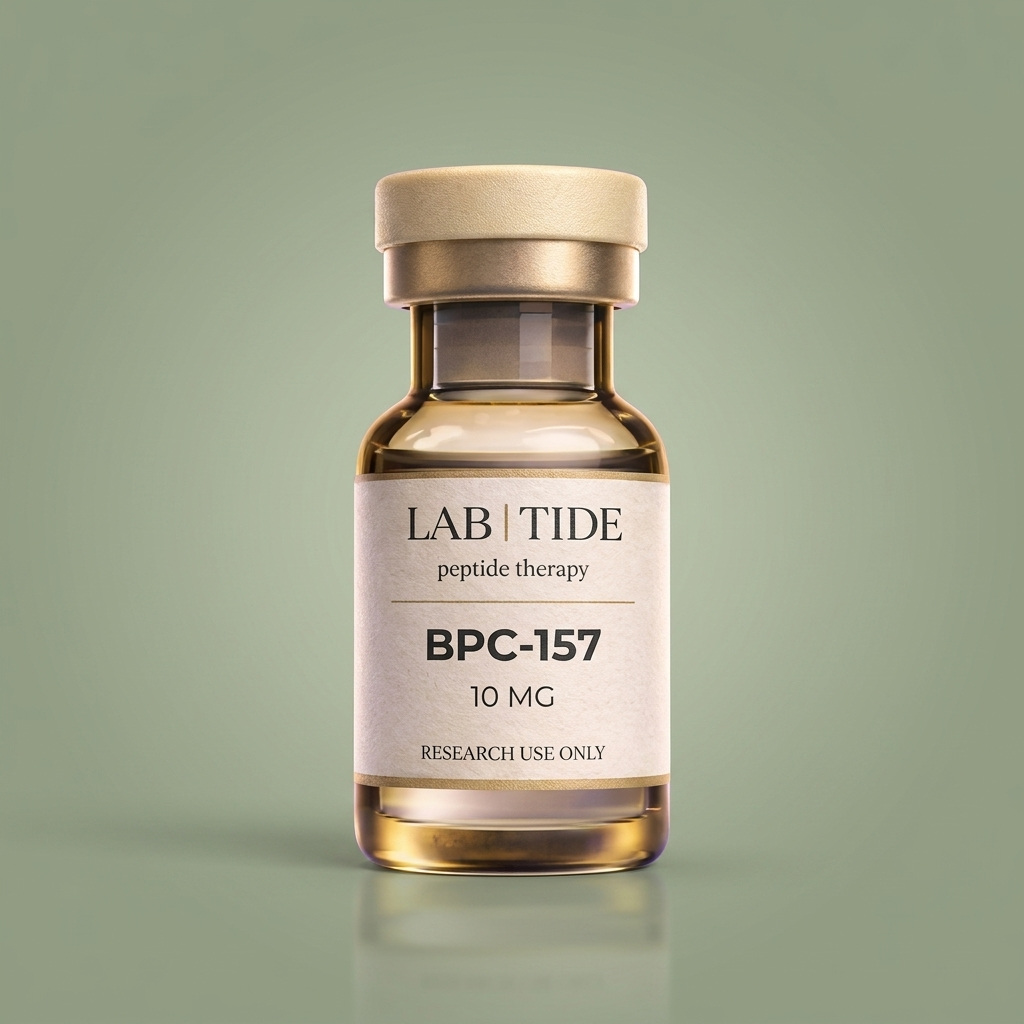
BPC-157 is supplied for in-vitro laboratory research use only. It is not intended for human or veterinary use, diagnosis, or treatment, and it is not a medicine. Nothing in this article constitutes medical advice or a recommendation for use in humans.
About this topic
Compiled by
Scientific basis
Based on peer-reviewed scientific literature and research data.
Last reviewed
21 August 2026