GHK-Cu: A Research Overview of the Copper Peptide
A research-focused overview of GHK-Cu, the copper-binding tripeptide Gly-His-Lys studied in preclinical models for skin, collagen and wound-repair pathways.
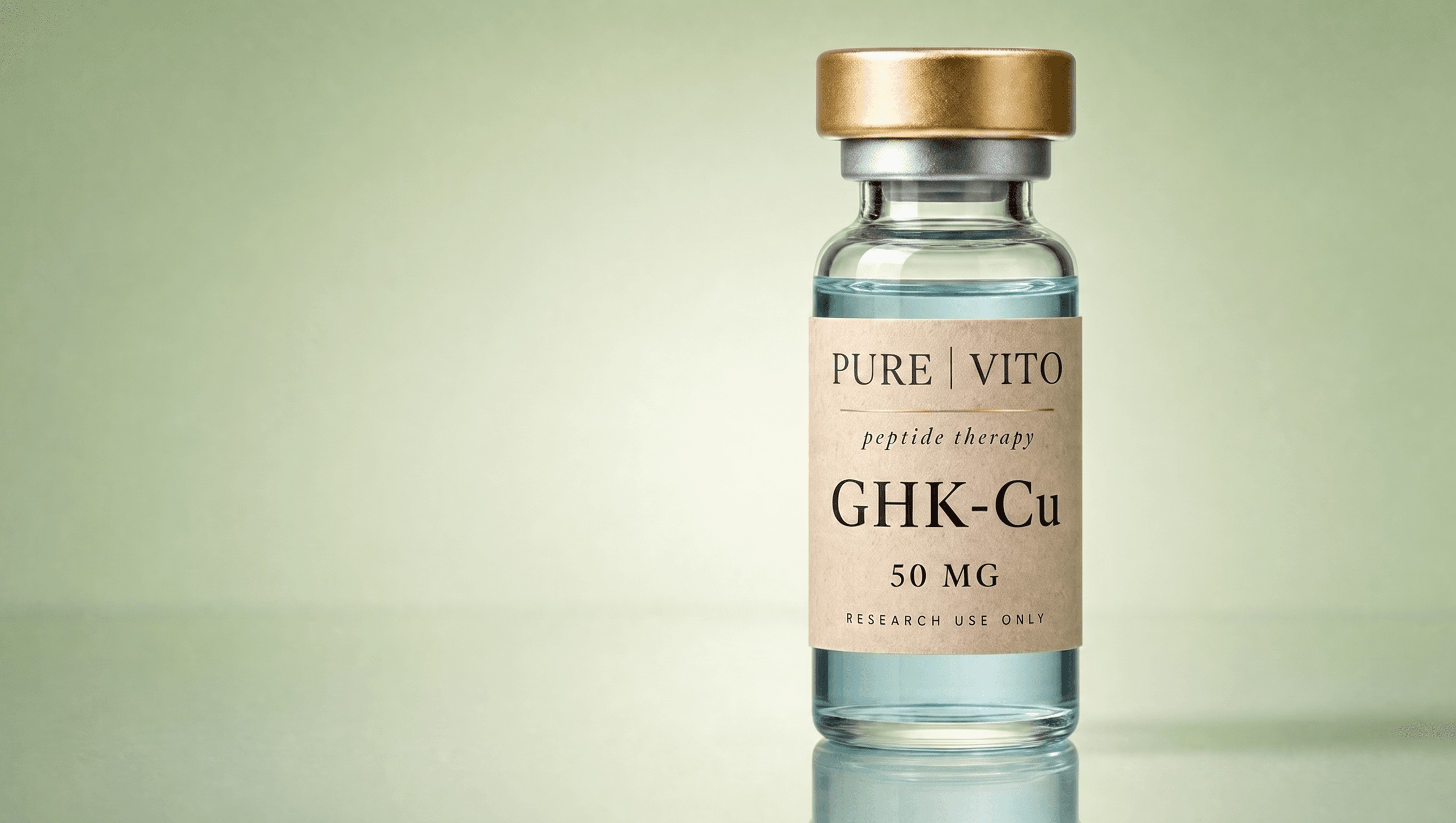
GHK-Cu is a naturally occurring copper-binding tripeptide, composed of the amino acids glycine, histidine and lysine (Gly-His-Lys) complexed with a copper(II) ion. In preclinical research it is studied for its association with skin biology, collagen-related pathways and wound-repair processes.
This overview summarises what published research describes about GHK-Cu within a strict laboratory-use framing. Everything below refers to in-vitro or animal-model findings, not to any human application.
What is GHK-Cu?
The peptide sequence GHK was first isolated from human plasma, where its concentration is reported to decline with age. Because histidine readily coordinates metal ions, GHK binds copper to form the complex known as GHK-Cu. This copper-tripeptide pairing is what makes the molecule of particular interest in studies of extracellular-matrix biology.
Mechanism of action in preclinical study
Research describes GHK-Cu as a copper carrier that may influence signalling relevant to tissue remodelling. In cell-culture models, GHK-Cu has been associated with the expression of matrix components such as collagen and with modulation of genes linked to repair and antioxidant responses.
Collagen and extracellular matrix
Because collagen turnover is central to skin structure, in-vitro studies have examined whether GHK-Cu affects fibroblast activity and matrix synthesis. These observations are reported as controlled experimental results, not as demonstrated effects in people.
Research context: what studies show
The literature on GHK-Cu spans dermatological cell models, wound-healing animal models and biochemical studies of copper transport. Across these, GHK-Cu is treated as an investigational compound, and reported outcomes vary with concentration, model and assay design. It has not been approved as a therapeutic by any regulatory authority.
Handling and storage
GHK-Cu is typically supplied as a blue-tinted lyophilised powder, the colour reflecting the coordinated copper. It is generally stored frozen, sealed and protected from light and moisture, with reconstituted solutions refrigerated and used within a short period. A peptide reconstitution calculator helps maintain consistent concentrations across experiments.
- Store lyophilised powder frozen and sealed.
- Reconstitute with an appropriate sterile diluent for laboratory use.
- Protect solutions from light and avoid repeated freeze-thaw cycles.
Purity and quality
Because GHK-Cu is a metal complex, both peptide purity and correct copper coordination matter for reproducible work. Purity is commonly assessed by HPLC and identity confirmed by mass spectrometry. Reviewing third-party lab results before purchase helps confirm a batch meets your specification, and comparing related research peptides can support selection of appropriate reference material.
Key takeaways
- GHK-Cu is a copper-binding tripeptide (Gly-His-Lys plus copper).
- Preclinical studies explore skin, collagen and wound-repair pathways.
- Findings come from in-vitro and animal models, not human trials.
- Cold, light-protected storage and documented purity support reproducibility.
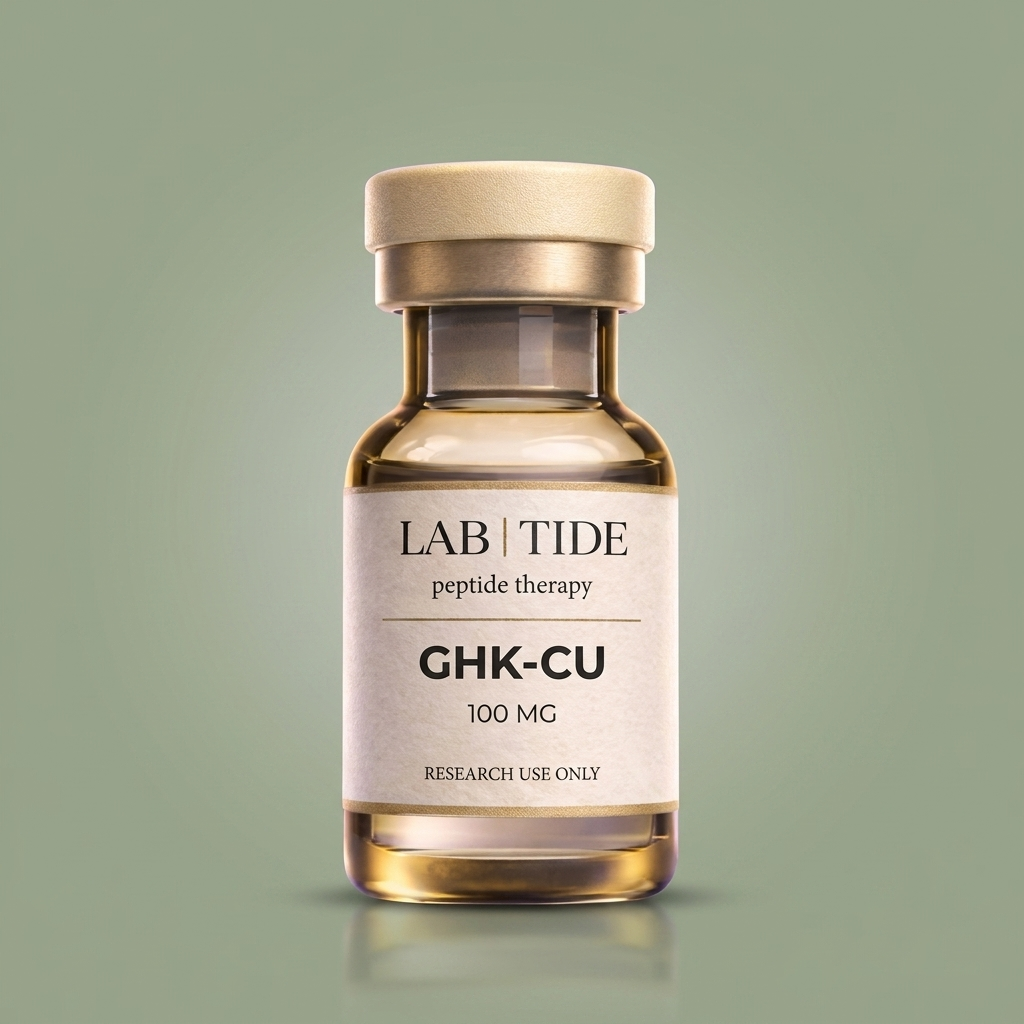
Research use disclaimer
GHK-Cu is supplied for in-vitro laboratory research use only. It is not intended for human or veterinary use, diagnosis, or treatment, and it is not a medicine. Nothing in this article constitutes medical advice or a recommendation for use in humans.
About this topic
Compiled by
Scientific basis
Based on peer-reviewed scientific literature and research data.
Last reviewed
21 August 2026